ISO 9001:2015 certification has become the core requirement for global OEM purchasing teams. Today, ISO 9001 certified bearing manufacturer groups in India are leading suppliers to the USA, Germany, Mexico, Brazil, Spain, and the wider Latin American region.
This article explores why ISO certification matters and how it differentiates world-class bearing manufacturers from the competition.
Understanding ISO 9001:2015
ISO 9001:2015 is the international standard for Quality Management Systems (QMS). It provides a framework for consistent quality through:
1. Process Approach: Understanding and managing interrelated processes as a system contributes to effectiveness and efficiency.
2. Risk-Based Thinking: Identifying and addressing risks and opportunities that can affect conformity of products.
3. Customer Focus: Meeting customer requirements and striving to exceed customer expectations.
4. Leadership Commitment: Top management must demonstrate leadership and commitment to the QMS.
5. Continuous Improvement: The organization must continually improve the suitability, adequacy, and effectiveness of the QMS.
Why ISO Certification Matters for OEM Supply Chains
Certified Indian manufacturers provide documented systems that ensure consistent quality:
1. Documented Production Processes: Every step from material receipt to shipping is documented, controlled, and repeatable.
2. Heat-Treatment and Metallurgical Traceability: Complete records link finished parts to specific heat treatment cycles and material heats.
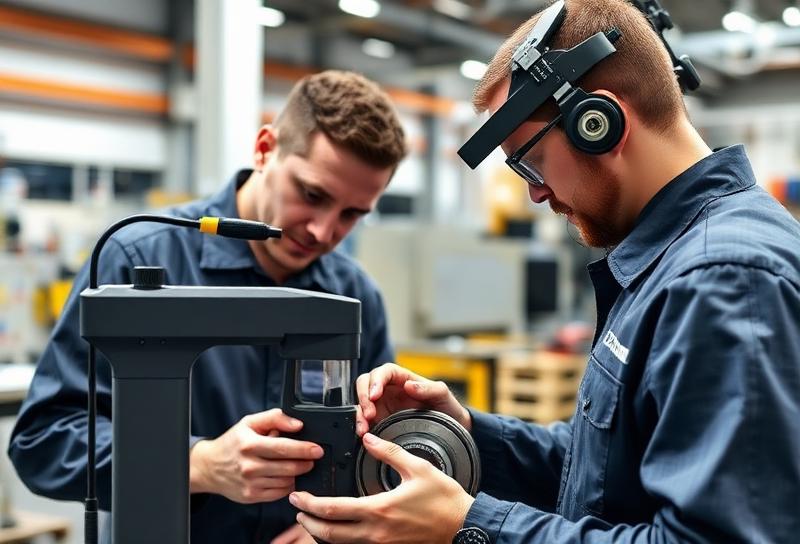
3. 100% Dimensional Inspection: Critical dimensions are measured and recorded for every part, not just samples.
4. Globally Recognized QC Compliance: ISO certification is accepted worldwide, simplifying supplier qualification.
5. Reliable Batch-to-Batch Uniformity: Statistical process control ensures consistency across production runs.
The OEM Perspective on Supplier Selection
OEMs face significant risks when selecting bearing suppliers:
1. Production Line Stoppages: Non-conforming parts can halt assembly lines, costing thousands of dollars per minute.
2. Warranty Exposure: Bearing failures in the field create warranty costs and brand damage.
3. Recall Risk: Safety-critical bearing failures can trigger expensive recalls.
4. Supply Disruption: Unreliable suppliers create planning uncertainty and buffer inventory costs.
ISO Certification Mitigates These Risks:
Why Automotive OEMs Prefer Certified Bearing Races
OEMs sourcing bearing races for automotive applications have specific requirements:
1. Automotive OEM Programs: Tier 1 suppliers require ISO (and often IATF 16949) certification from all sub-tier suppliers.
2. Precision Ball and Roller Rings: High-speed applications demand verified precision and consistency.
3. Tapered and Cylindrical Races: Heavy-load applications require documented heat treatment and material certification.
4. Wheel Hub Rings: Safety-critical components need complete traceability.
5. Transmission Bearing Rings: NVH (Noise, Vibration, Harshness) requirements demand tight process control.
Beyond ISO: Additional Quality Certifications
Leading bearing manufacturers often hold multiple certifications:
1. IATF 16949: Automotive-specific quality management standard, required by most OEMs.
2. ISO 14001: Environmental management system certification.
3. AS9100: Aerospace quality management standard for aviation applications.
4. NADCAP: Special process accreditation for heat treatment and other processes.
The Audit and Certification Process
Achieving and maintaining ISO certification requires ongoing commitment:
1. Initial Certification: External auditors review the QMS documentation and implementation.
2. Surveillance Audits: Annual audits verify continued compliance.
3. Recertification: Full re-audit every three years.
4. Internal Audits: Regular self-assessment identifies improvement opportunities.
Latin America & EU Buyers Choose ISO-Certified Vendors
Buyers in these regions particularly value certification:
1. Audit Readiness: Certified suppliers can easily host customer audits.
2. Consistent QC: Systematic quality control reduces incoming inspection requirements.
3. Globally Acceptable Paperwork: ISO-aligned documentation meets international trade requirements.
4. Reduced Risk: Certification demonstrates organizational commitment to quality.
Final Takeaway
ISO 9001:2015 certification is not just a piece of paper—it represents a systematic approach to quality that benefits both the manufacturer and their customers. For global buyers seeking reliable bearing race suppliers, ISO certification is the minimum qualification for serious consideration.